Flat Roofing Solutions
TPO, EPDM, PVC & Metal Roofing for Commercial & Residential Properties
Expert Flat Roofing Services
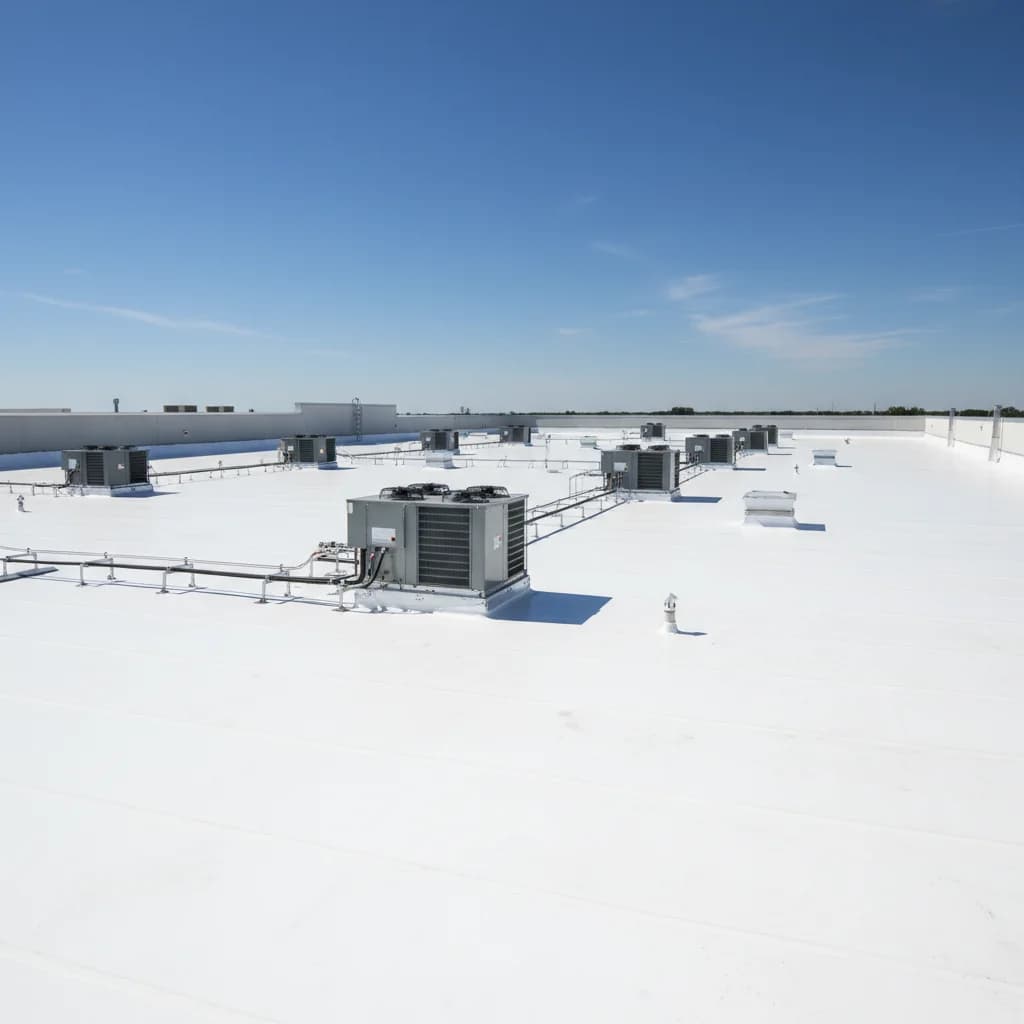
At Genc Construction, we specialize in high-performance flat roofing systems, including TPO, EPDM, and PVC roofing, designed for durability, energy efficiency, and weather resistance. Whether you need a new installation, repairs, or maintenance, our expert team ensures long-lasting, cost-effective roofing solutions tailored to your commercial or residential needs. Enhance your property's protection and efficiency with our premium flat roofing services today!
Our Flat Roofing Services Include:
Flat Roofing Systems
- TPO (Thermoplastic Polyolefin): Energy-efficient, durable, and resistant to UV radiation, making it ideal for commercial and residential flat roofs.
- EPDM (Ethylene Propylene Diene Monomer): A rubber roofing membrane known for its exceptional durability, weather resistance, and flexibility.
- PVC (Polyvinyl Chloride): A highly durable roofing membrane with excellent chemical resistance, making it a preferred choice for industrial and commercial applications.
- Modified Bitumen: A traditional flat roofing option offering good durability and affordability, suitable for residential and light commercial applications.
- Composite Roofing: A combination of multiple roofing materials, including TPO, EPDM, PVC, and modified bitumen, often used for industrial and commercial applications.
- Single-Ply Roofing: A single layer of roofing material, typically TPO or EPDM, designed for ease of installation, durability, and energy efficiency.
Flat Roofing Benefits
- Cost-effective compared to pitched roofing.
- Energy-efficient options available with reflective surfaces.
- Low maintenance with long lifespan options.
- Excellent resistance to weather and environmental factors.
Flat Roof Installation Process
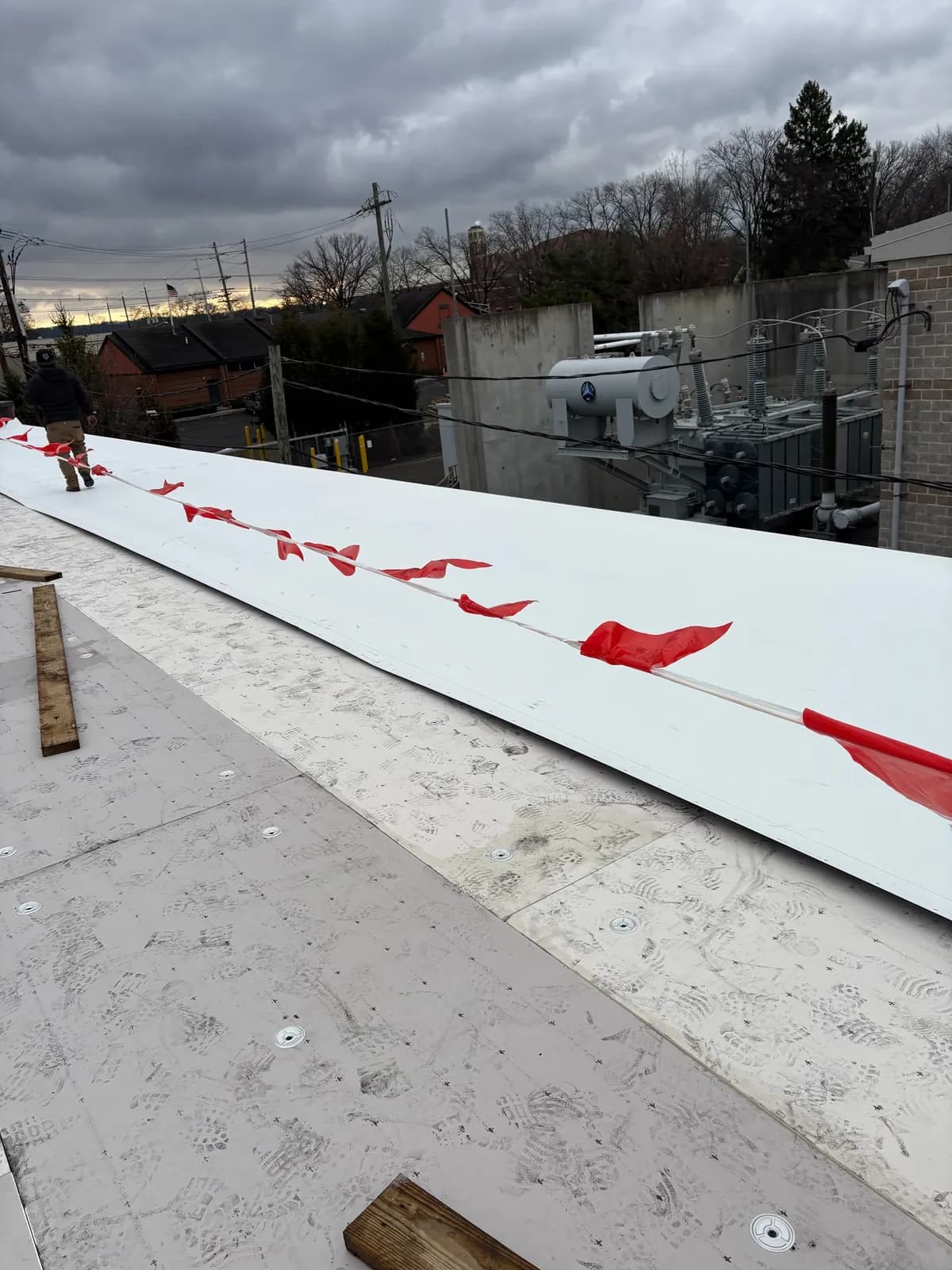
The installation of a flat roof involves preparing the surface, applying the selected membrane (TPO, EPDM, or PVC), and sealing all joints to prevent leaks. Proper drainage is ensured to maximize the roof's lifespan and performance.